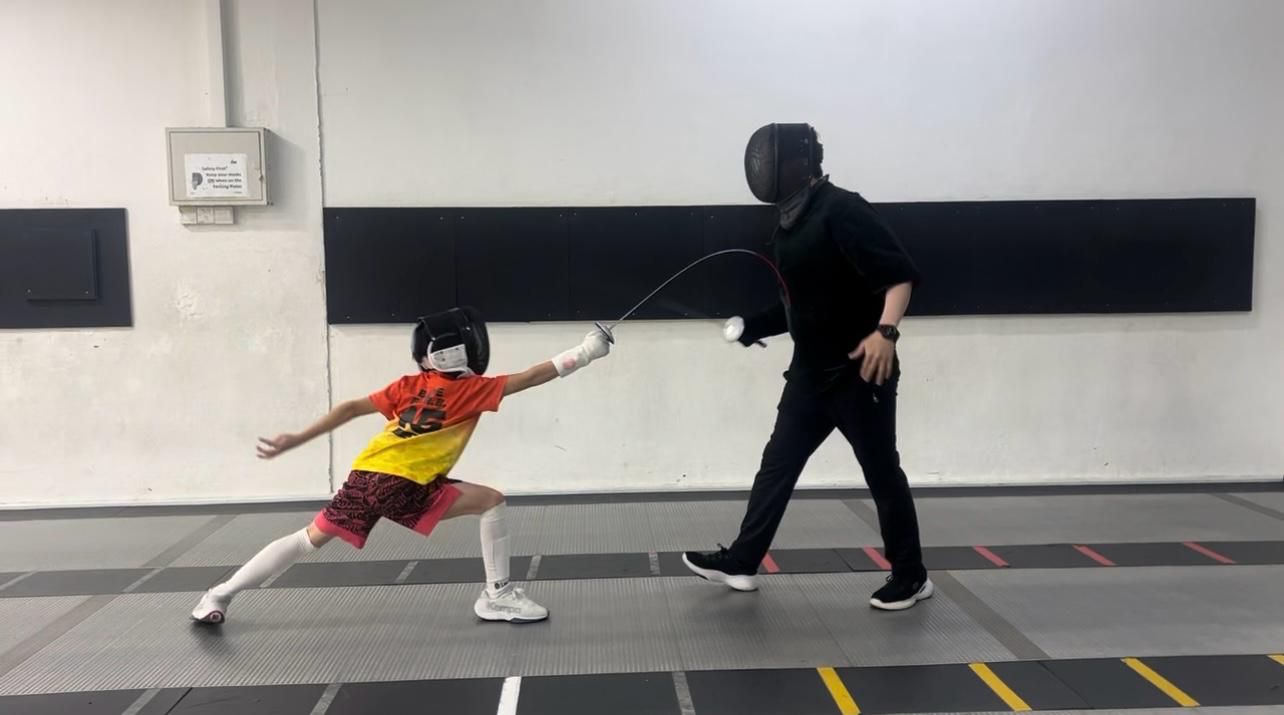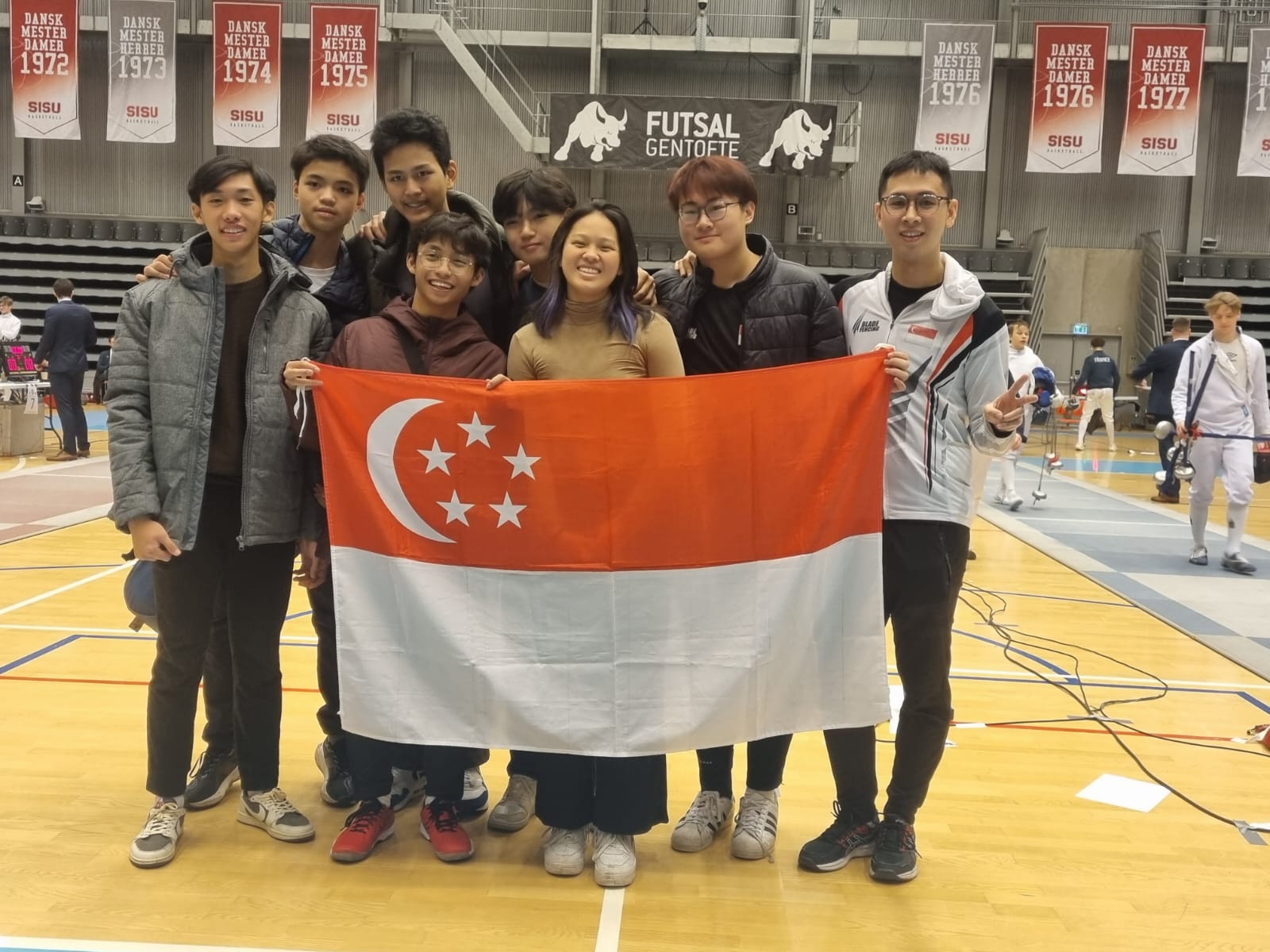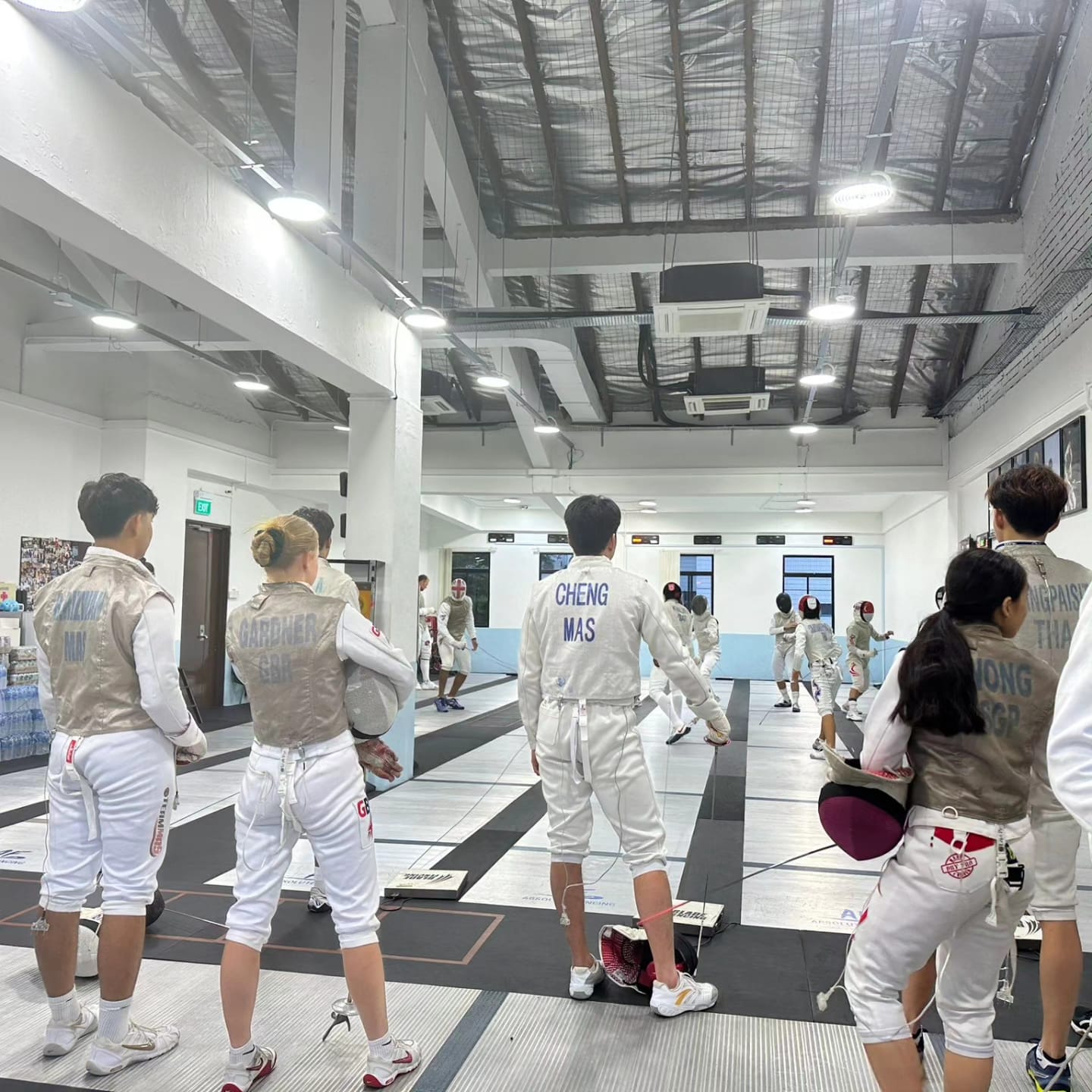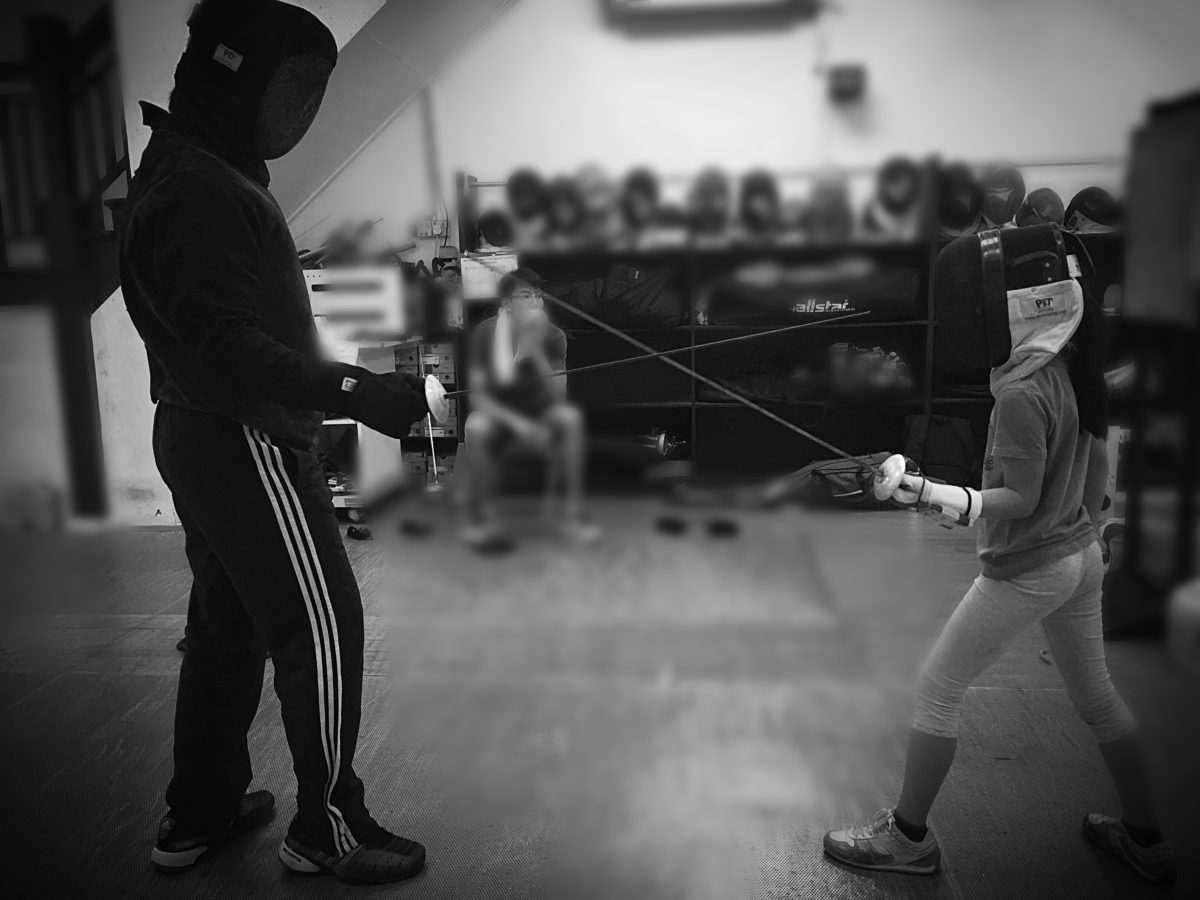
In fencing, as in every sport, the journey to competitive excellence is more than a pursuit of medals and rankings. It is a journey of character — one where integrity, respect, and sportsmanship form the foundation upon which all athletic achievement is built. At Blade Club, we believe that the values instilled in our fencers extend far beyond the piste, shaping them into disciplined, ethical, and resilient individuals.
The Olympic Movement has long championed the idea that sport is a powerful vehicle for education and personal development. The Olympic values of excellence, respect, and friendship are not merely slogans; they are guiding principles that shape how athletes train, compete, and interact with one another. In fencing — a sport built on courtesy, precision, and mutual respect — these values take on even deeper meaning.
But how do coaches and athletes cultivate this kind of character? What practices can turn the pursuit of excellence into a journey that honors both the opponent and the sport?
Why Integrity and Sportsmanship Matter in Fencing
Fencing is unique among Olympic sports. It is a duel — a one-on-one confrontation where each fencer must simultaneously attack and defend, read the opponent’s intentions, and make split-second decisions. This dynamic demands not only technical skill and tactical intelligence but also emotional control, humility, and respect for the adversary.
The sport’s own code of etiquette reflects this philosophy. Before and after every bout, fencers shake hands, acknowledge each other’s effort, and show courtesy to officials and spectators. These traditions are not ceremonial; they are reminders that competition is a shared experience, and that how one plays the game is as important as how one wins it.
When integrity and sportsmanship are prioritized, athletes develop resilience in the face of defeat, grace in victory, and the courage to compete at their best without compromising their values. This is the kind of character that lasts a lifetime.
7 Best Practices for Building Character in Athletes
Here are evidence-informed best practices that coaches and athletes can adopt to foster integrity, sportsmanship, and a healthy competitive mindset:
1. Lead by Example — The Coach as Role Model
Athletes learn more from what coaches do than what they say. When coaches demonstrate respect for officials, opponents, and fellow athletes — even in frustrating moments — they set a standard that fencers naturally aspire to follow. At Blade Club, our coaches model courtesy on and off the piste, showing that true strength lies in self-control and humility.
2. Teach the Etiquette of the Piste
Fencing has a rich tradition of etiquette that dates back to its origins as a martial art. From the formal handshake before and after each bout to the proper salutation to the referee, these rituals teach discipline, respect, and awareness. Regularly reinforcing these traditions helps athletes internalize the values of courtesy and mutual respect.
3. Emphasize Effort Over Outcome
While winning is important, an overemphasis on results can erode sportsmanship and create unhealthy pressure. Coaches should celebrate effort, improvement, and resilience — not just podium finishes. When athletes understand that their worth is not defined by a score, they are freer to compete with integrity and to learn from every experience.
4. Create a Culture of Accountability
Character is built through accountability. Athletes should be encouraged to take responsibility for their actions, admit mistakes, and learn from setbacks. When a fencer loses a bout, the focus should be on what can be improved, not on blame or excuses. This mindset fosters growth and integrity.
5. Encourage Respectful Competition
Teach athletes to view opponents as partners in growth, not adversaries to be defeated. In fencing, a well-executed attack by an opponent is a learning opportunity. Encourage athletes to study their opponents’ strengths, acknowledge good performances, and compete with the intention of pushing both themselves and their rival to be better.
6. Integrate Mental Training and Emotional Regulation
Competitive excellence requires emotional intelligence. Athletes must learn to manage frustration, handle pressure, and maintain composure — even when things go wrong. Mental training programs, mindfulness practices, and open discussions about emotions help athletes develop the self-awareness needed to compete with integrity under stress.
7. Celebrate Sportsmanship Publicly
Recognition reinforces behavior. When coaches and club leaders publicly acknowledge acts of sportsmanship — a gracious loss, a respectful handshake, a fencer helping an opponent up — they signal to the entire team that these values matter. At Blade Club, we celebrate not only medalists but also the athletes who exemplify the spirit of the sport.
The Path Forward
The journey to competitive excellence is a marathon, not a sprint. It requires patience, dedication, and — above all — a commitment to values that transcend the sport itself. At Blade Club, we are proud to nurture fencers who are as skilled on the piste as they are principled in character.
As the Olympic Movement reminds us, sport is a mirror of society. When athletes compete with integrity, respect their opponents, and embrace the values of friendship and excellence, they contribute to a culture where sport enriches lives and builds stronger communities.
Let every bout be a lesson, every competition a chance to grow, and every handshake a reminder of the values that make fencing — and sport — truly great.
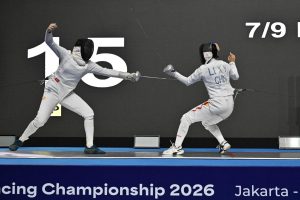
At Blade Club Singapore, we are committed to developing fencers who embody the Olympic values of excellence, respect, and friendship. Our training programs integrate technical skill with character development, ensuring that every athlete carries the right values into every competition.